

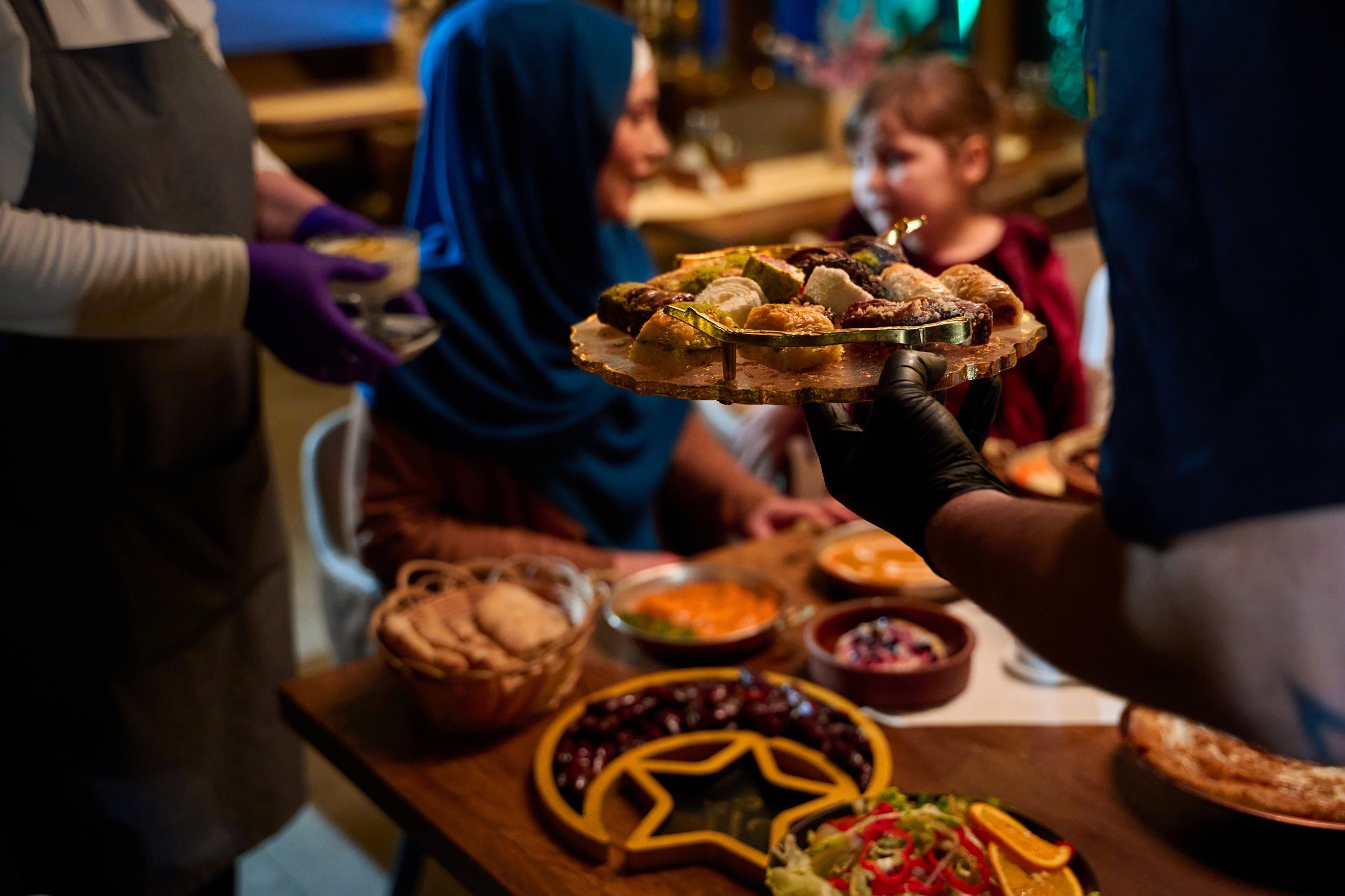

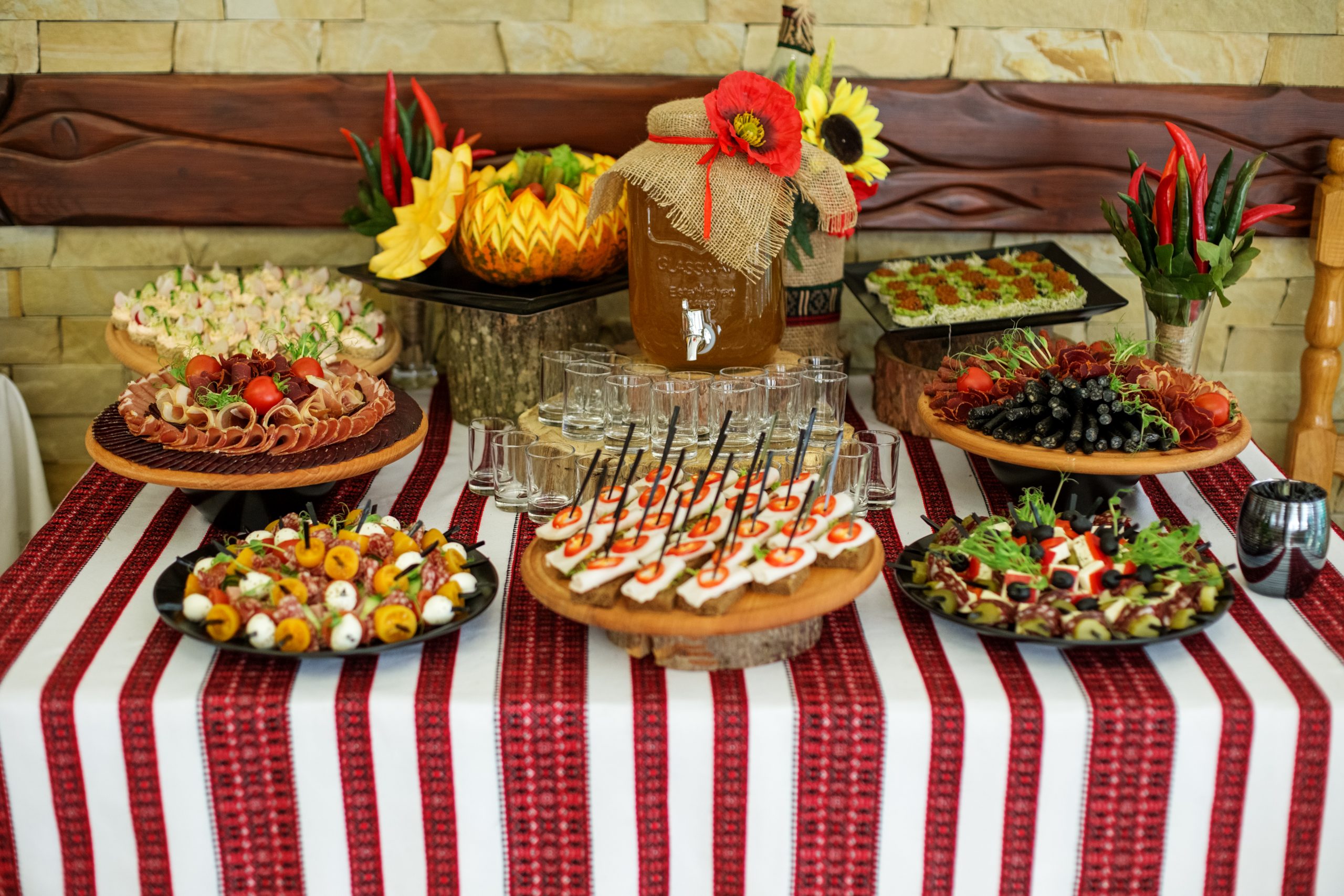
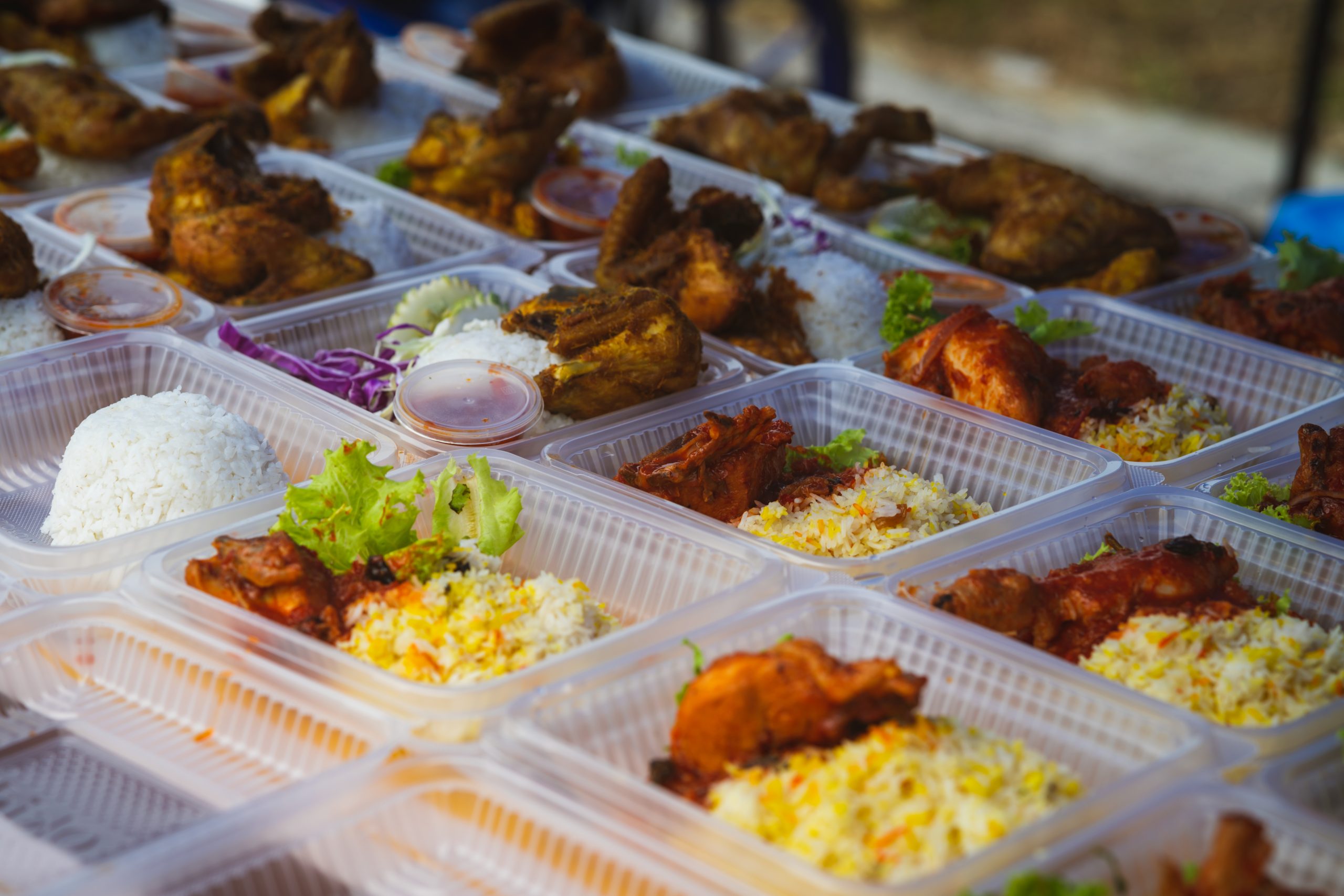

Typing “halal caterers near me” into Google feels like it should be simple. It isn’t. You’ll get a mix of legitimate zabiha caterers, generic “halal-friendly” restaurants that don’t actually meet the standard, and businesses that slap the word “halal” on a menu without any real verification behind it. If you’re planning something as important as a wedding, that gap between marketing and reality matters — a lot.
This guide walks through how to actually separate best halal catering from merely available halal catering, with a specific focus on what changes when the event is a wedding.
Why “Near Me” Searches Don’t Guarantee Quality
Local search results are ranked by proximity, ratings, and website SEO — none of which actually confirm authenticity. A caterer can rank at the top of local results without ever explaining what “zabiha” actually means or how their meat is sourced. That’s why we put together a full explainer on what is zabiha catering and why it matters — understanding the term itself is the first filter you should apply before you even start comparing local options.
It’s also worth knowing that not everything labeled “halal” meets the zabiha standard specifically. If you’re unclear on that distinction, our post on zabiha vs halal catering: what’s the real difference breaks it down clearly, and is all halal food zabiha? A clear explanation tackles the misconception directly.
What Actually Separates the Best Halal Catering From the Rest
Once you’ve got a shortlist of nearby options, here’s what actually distinguishes the best from the merely adequate:
Verified sourcing, not just claims. Ask directly where the meat comes from and how slaughter is performed. Reputable caterers will answer this without hesitation. If you get vague answers, treat that as a red flag — our guide on avoiding fake zabiha claims in catering covers exactly what those vague answers tend to sound like.
Consistent quality across a tasting. A single great dish doesn’t prove a caterer can execute an entire event menu at scale. Insist on a tasting that reflects your actual planned menu, not just their showcase items.
Transparent, itemized pricing. The best caterers don’t hide costs in vague “per plate” numbers that balloon once add-ons appear. Our breakdown of cost factors that affect zabiha catering prices and how much does zabiha catering cost will help you sanity-check any quote you receive.
A track record with events your size. A caterer excellent at intimate family gatherings may not have the staffing or logistics experience for a 300-person wedding, and vice versa.
Verifying Authenticity Before You Book
This is the step people skip most often, and it’s the one that matters most. Before signing any contract:
- Ask for their zabiha certification or sourcing documentation directly.
- Confirm whether the certification covers all proteins on the menu, not just the headline dish.
- Ask how they prevent cross-contamination with non-zabiha ingredients in a shared kitchen.
We’ve put together detailed guidance on exactly this in signs of authentic zabiha catering services and how to check if a caterer is truly zabiha. Both are worth reading in full before your first tasting appointment, not after.
Halal Wedding Catering: What Changes When the Stakes Are Higher
Weddings raise the difficulty on every front — guest count, cultural expectations, timing precision, and the simple fact that there’s no redo if something goes wrong. A few things to focus on specifically for halal wedding catering:
Guest diversity in cuisine expectations. Many weddings blend families with different regional backgrounds — Middle Eastern, South Asian, and beyond. If you need dishes that reflect a specific tradition, our cuisine guides on classic Middle Eastern zabiha dishes for events and popular South Asian zabiha dishes for catering are useful starting points for menu planning conversations with your caterer.
Scale without sacrificing authenticity. Large weddings require a caterer who can maintain quality at volume. Our dedicated post on zabiha catering tips for large Muslim weddings covers exactly what to expect and plan for at scale.
Menu structure that fits the day. Wedding menus tend to differ from standard event catering — cocktail hour stations, plated courses, or a buffet reception each carry different staffing and timing needs. If you haven’t finalized your approach, how to plan the perfect zabiha wedding menu and popular zabiha dishes for wedding receptions are good next reads once you’ve narrowed down your caterer shortlist.
Questions to Ask Before You Sign Anything
Whether it’s a wedding or a smaller private gathering, don’t skip the vetting conversation. At minimum, ask:
- How is your meat sourced, and can you provide documentation?
- What’s included in the quoted price, and what counts as an add-on?
- Can you accommodate dietary restrictions beyond zabiha (vegetarian, nut allergies, etc.) within the same kitchen safely?
- What’s your contingency plan if guest count changes close to the event date?
- Can we schedule a tasting that reflects the actual menu we’re considering?
We go deeper on this exact list in essential questions to ask a zabiha caterer and what to confirm before hiring zabiha catering — both worth reviewing line by line before your final decision. For a broader planning checklist that covers the full booking process end to end, see booking zabiha catering: a client checklist.
Budgeting Realistically for Quality Catering
The “best” catering isn’t always the most expensive, but it’s rarely the cheapest option either. Quality sourcing, experienced staff, and proper food safety protocols all cost money, and a quote that seems too good to be true usually is. Our guide on budget planning tips for zabiha events walks through how to set a realistic number before you start collecting quotes, so you’re comparing apples to apples rather than being swayed by the lowest bid alone.
A Simple Filtering Process for Your Search
If you’re overwhelmed by local options, use this sequence rather than booking the first well-reviewed result:
- Shortlist 4–5 caterers from local search and personal recommendations.
- Verify zabiha sourcing directly with each one — don’t rely on website claims alone.
- Compare itemized quotes, not just headline per-plate pricing.
- Schedule tastings that reflect your actual event menu.
- Check references specific to your event type — a wedding reference matters more than a general corporate catering review if you’re planning a wedding.
- Confirm logistics — delivery, setup, service staff, and cleanup — in writing before signing.
Frequently Asked Questions
What’s the difference between “halal” and “zabiha” catering? “Halal” is the broader Islamic dietary standard, while “zabiha” refers specifically to the prescribed method of slaughter. Not all food marketed as halal has been verified as zabiha, which is why direct verification matters more than the label alone.
How early should I book halal wedding catering? For weddings, booking 4–6 months in advance is typical, especially during peak wedding season, to secure your date and allow time for menu tastings and adjustments.
Is the best halal catering always the most expensive option? Not necessarily. Price reflects sourcing quality, staffing, and experience, but the highest-priced option isn’t automatically the best fit — verified authenticity and a strong tasting matter more than price alone.
Can one caterer handle both zabiha requirements and other dietary restrictions? Many experienced caterers can, but you should confirm directly how they prevent cross-contamination when preparing zabiha and non-zabiha or allergen-restricted dishes in the same kitchen.
What’s the biggest mistake people make when searching “halal caterers near me”? Relying on search ranking or star ratings alone without verifying zabiha sourcing directly. A high rating reflects service and taste, not necessarily religious compliance — those are two separate checks.